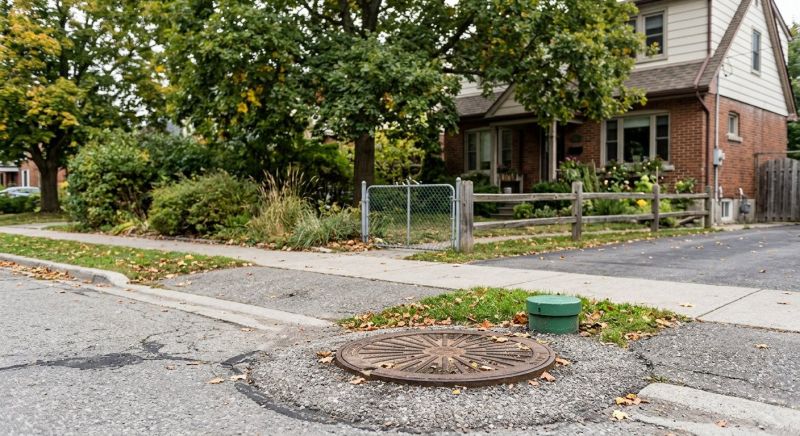
Sewer Line Installation in Austin, TX
Sewer line installation services involve setting up new sewer lines or replacing existing ones to ensure proper waste removal from a property. These projects typically include installing sewer pipes for new construction, replacing old or damaged lines, or rerouting sewer systems during renovations or expansions. Property owners should understand the scope of the work, including the need for excavation, the types of materials used, and how the new lines will connect to the municipal sewer system or septic tank. Clarifying these details helps ensure the project meets the specific needs of the property and complies with local regulations.
Before requesting sewer line installation, homeowners often inquire about the planning process, potential disruptions, and the longevity of different pipe materials. It's also common to want information on the project's impact on landscaping or driveways, as well as any permits that may be required. Understanding the overall process, including inspection and testing procedures, can help property owners prepare for the work and make informed decisions about their sewer system upgrades or new installations.
Many property owners in Austin, TX look into Sewer Line Installation for repairs, replacements, upgrades, and appearance-related improvements.
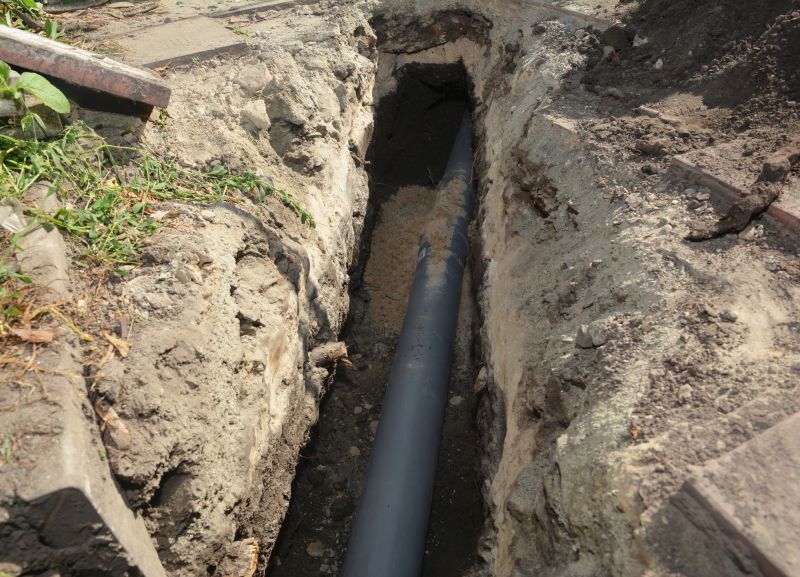
Reliable Sewer Line Installation
Proper installation ensures efficient waste removal for residential and commercial properties in austin, tx.
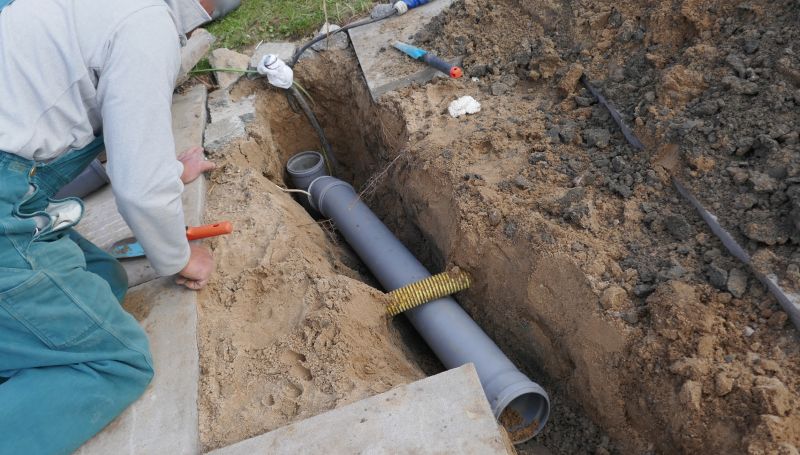
Common Installation Challenges
Navigating underground obstacles and soil conditions is key to successful sewer line setup in the austin area.
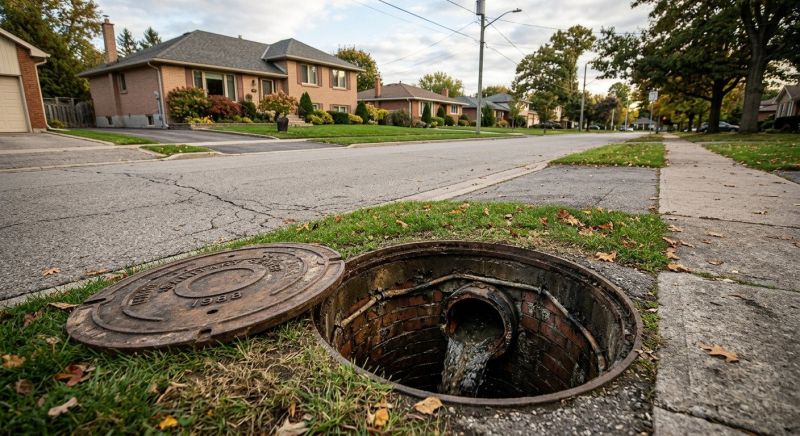
Signs You Need A New Sewer Line
Slow drains, unpleasant odors, and frequent backups can indicate the need for sewer line replacement or repair.
Sewer Line Installation in Austin, TX

Sewer line installation services involve setting up new sewer lines or replacing existing ones to ensure proper waste removal from a property. These projects typically include installing sewer pipes for new construction, replacing old or damaged lines, or rerouting sewer systems during renovations or expansions. Property owners should understand the scope of the work, including the need for excavation, the types of materials used, and how the new lines will connect to the municipal sewer system or septic tank. Clarifying these details helps ensure the project meets the specific needs of the property and complies with local regulations.
Before requesting sewer line installation, homeowners often inquire about the planning process, potential disruptions, and the longevity of different pipe materials. It's also common to want information on the project's impact on landscaping or driveways, as well as any permits that may be required. Understanding the overall process, including inspection and testing procedures, can help property owners prepare for the work and make informed decisions about their sewer system upgrades or new installations.
Many property owners in Austin, TX look into Sewer Line Installation for repairs, replacements, upgrades, and appearance-related improvements.
Common Sewer Line Installation Jobs
Residential sewer line installation - new sewer lines are installed to replace outdated or damaged piping systems.
Main sewer line replacement - upgrading or replacing the primary sewer line to improve property drainage.
Under-slab sewer line installation - installing or repairing sewer lines beneath concrete slabs for home foundations.
Septic system sewer line setup - connecting sewer lines to septic systems for properties outside municipal services.
Yard sewer line installation - running sewer lines through yards to connect to municipal mains or septic systems.
Emergency sewer line repair - addressing urgent sewer line issues to prevent property damage and restore proper flow.
Sewer Line Installation Questions
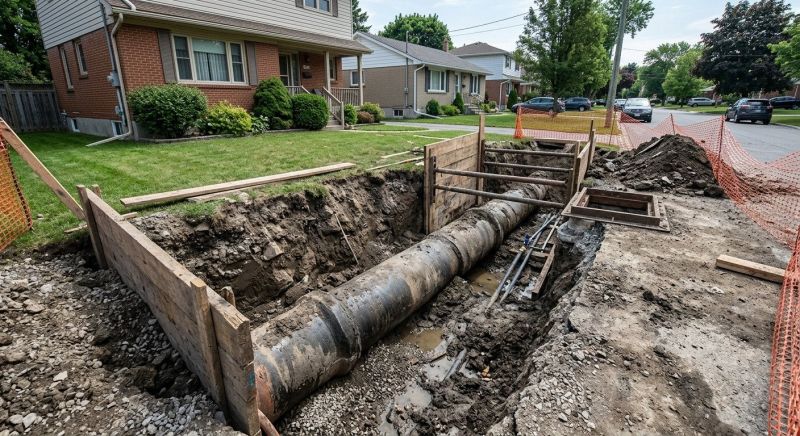
What is involved in sewer line installation? The process includes excavating the area, laying new pipe connections, and ensuring proper alignment for reliable drainage.
When should a property owner consider installing a new sewer line? Installation may be needed when existing pipes are damaged, outdated, or unable to handle current plumbing demands.
What types of sewer pipes are commonly used? Common options include PVC, cast iron, and HDPE pipes, chosen based on durability and suitability for the property.
How can I tell if a sewer line needs replacement? Signs include persistent backups, foul odors, slow drains, or visible damage to exposed pipes.
Request Sewer Line Installation in Austin, TX
Use the quote form on this page to share the basics of your project and request more information for the type of work you need.